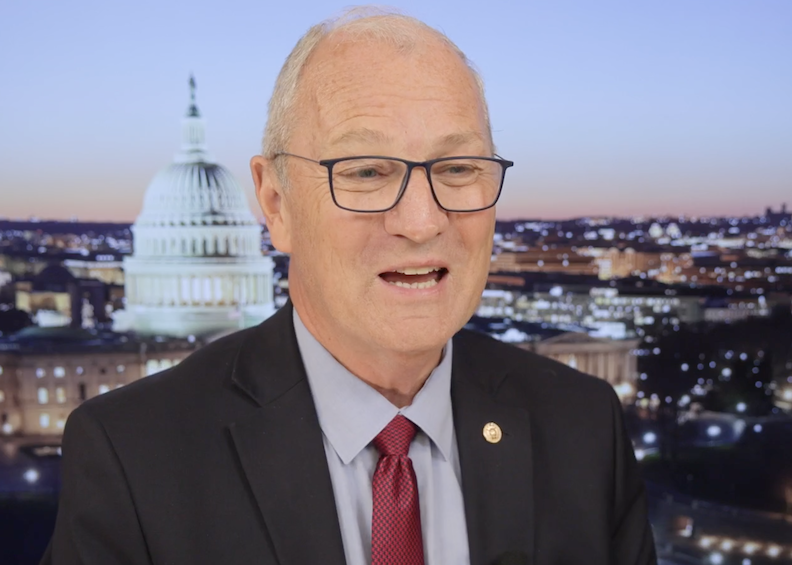
North Dakota – North Dakota Sen. Kevin Cramer praised the U.S. Fish and Wildlife Service’s decision to review a Biden-era regulation affecting agricultural drainage, arguing that the previous rule gave federal bureaucrats too much authority over landowners and calling on farmers to participate in the public comment process.
“North Dakota landowners and producers are the best stewards of their land,” Cramer said in a statement following the Fish and Wildlife Service’s announcement that it is seeking public input as it considers replacing the 2024 drain tile setbacks rule.
“The Biden administration rule gave way too much power to the bureaucracy,” Cramer said, adding that the Department of the Interior is “absolutely correct” to review what he described as an outdated policy.
The Fish and Wildlife Service announced on July 23 that it had issued a Request for Information (RFI) to gather public feedback as it reevaluates the 2024 rule governing drain tile setbacks. The agency said it is seeking comments from farmers, landowners, agricultural organizations, conservation groups, and other stakeholders before determining whether changes are needed.
Drain tile systems are widely used throughout the Midwest to improve crop production by removing excess water from fields through underground piping. Farmers say the systems help improve soil health, reduce flooding, and increase yields, particularly in regions that experience frequent heavy rainfall.
The 2024 rule established new guidelines for determining setback distances between drain tile systems and federally protected wetlands. Supporters of the policy argued it would improve transparency and protect sensitive wildlife habitat, particularly within the Prairie Pothole Region, an area known for its importance to migratory birds and waterfowl.
However, agricultural groups and several Republican lawmakers criticized the regulation, arguing that it relied on case-by-case determinations by the Fish and Wildlife Service without clearly explaining how setback distances were calculated. Critics contended the approach created uncertainty for producers attempting to manage their land while remaining in compliance with federal regulations.
Cramer echoed those concerns, saying the regulation left farmers without clear guidance.
“This rule needs to respect private property rights,” he said. “It needs to deliver some consistency in regulations and provide legal safe harbor… so they can know the rules and manage their land without fear of criminal prosecution.”
The senator also argued that producers should not have to seek government approval simply to carry out routine land management practices. He said North Dakota farmers have long balanced crop production, water management, and wildlife conservation because those priorities are essential to their livelihoods.
The review follows legal challenges filed after the rule was finalized. North Dakota farmer Cody Peterson filed a lawsuit seeking to block implementation of the regulation, arguing it exceeded the agency’s authority and imposed unnecessary burdens on agricultural operations.
Agricultural organizations, including several state farm groups, have similarly argued that more predictable regulations are needed so producers can make long-term investments without uncertainty over changing federal interpretations.
Environmental advocates, meanwhile, have defended stronger wetland protections, arguing that properly managed setbacks help preserve wildlife habitat, improve water quality, and reduce downstream flooding. Conservation groups have warned that weakening protections could negatively affect wetlands that support waterfowl and other species throughout the Prairie Pothole Region.
The Fish and Wildlife Service has not proposed specific replacement language for the rule but said the Request for Information is intended to gather perspectives before deciding how to proceed. The agency has encouraged interested parties to submit comments during the public review period.
Cramer urged North Dakotans, particularly farmers and landowners, to participate.
“As I always say, public comment is open for a reason: for the public to comment,” he said. “Please do. The comments matter in the record. As the Fish and Wildlife Service moves to replace the 2024 rule, make sure your voice is heard by commenting.”
The outcome of the review could shape future federal guidance affecting agricultural drainage projects, wetland management, and property rights across North Dakota and other farming states.